

Therapeutic Feeding Centre
What is severe acute malnutrition?
Severe acute malnutrition (SAM) occurs when a child has insufficient intake of nutritious food to support normal growth, development and immune function.
It is a life-threatening clinical condition that requires urgent assessment, specialist treatment and careful monitoring within a Therapeutic Feeding Centre (TFC).
Children with SAM are weak, lethargic and miserable.
Key features include severe muscle loss, ribs and bones visible through the skin, a swollen abdomen, dry and fragile skin, slow-healing sores and sparse brittle hair. Some children have swollen arms and legs – this is known as oedema.
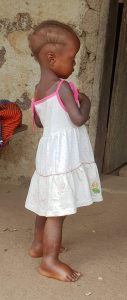
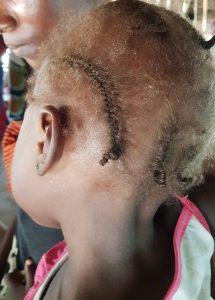
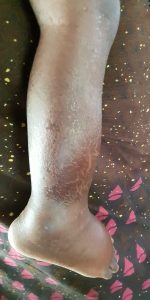
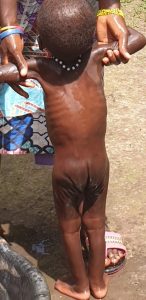
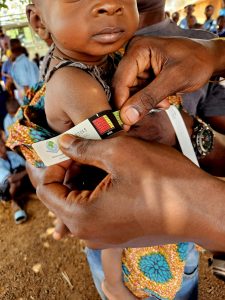
The causes of severe acute malnutrition are rarely simple.
They often reflect a combination of family hardship, poor access to nutritious food, repeated childhood illness, unsafe water, poor sanitation, and limited knowledge about feeding young children. A mother’s poor health — or, tragically, the loss of a mother — can also leave a child especially vulnerable.
In many communities, spiritual and traditional beliefs influence when families seek help, and many children will have been taken to a traditional healer before reaching the feeding centre.
Background
For almost 15 years, Help Madina has supported children with SAM, providing treatment that has helped save hundreds of young lives in the Tonko Limba chiefdom and beyond.
Our previous feeding centre had become too small and was in urgent need of repair, leaving little room for children and for the mothers and carers who stay beside them throughout treatment.
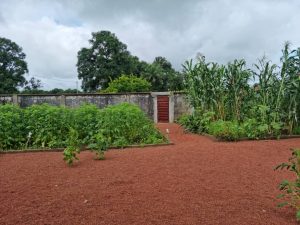
Thanks to the generosity of our donors, we converted a former school building in Madina during 2025–2026 into a new, purpose-fit feeding centre — able to provide inpatient care for up to 18 children at a time, together with their mothers or carers.
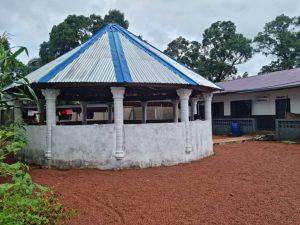
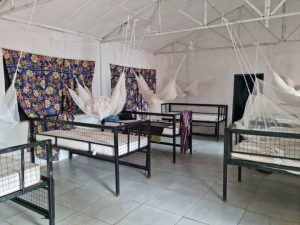
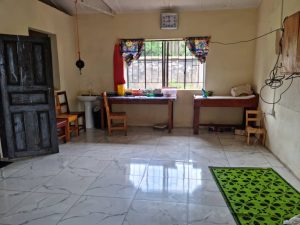
Management of children with SAM
At the feeding centre, every child receives close clinical attention and compassion. Care follows UNICEF guidance and is shaped around the needs of children who are often gravely unwell when they arrive.
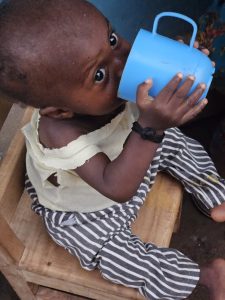
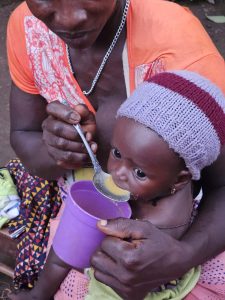
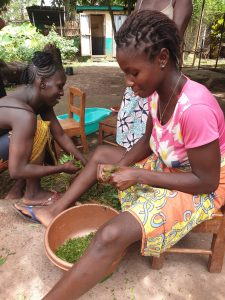
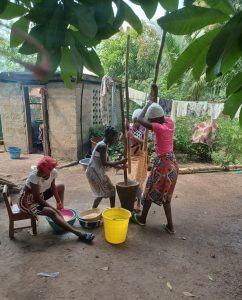
Children receive PAP, a fortified therapeutic food prepared on site using locally sourced ingredients, around the clock, alongside appropriate medicines and close clinical monitoring during daily ward rounds. Infections such as malaria, pneumonia and gastroenteritis are treated promptly. Because tuberculosis is common among children with SAM, any child with suspected TB is referred to the local government facility for assessment; if treatment begins, the child receives the recommended six-month course, with follow-up every two weeks after discharge from the feeding centre. It is vital that the child completes the 6 months of medication for tuberculosis.
Our team also works to ensure every child completes the government-recommended immunisation schedule.
Supporting mothers and carers too
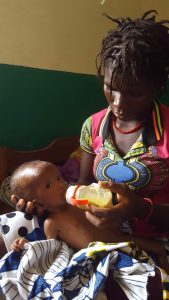
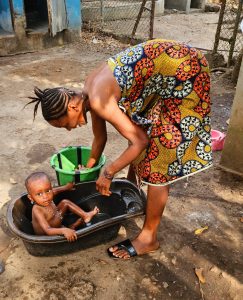
The centre is staffed by a dedicated team of healthcare workers who provide specialist care for the children and gentle, practical support for the mothers and carers who stay with them. Many mothers are very young and can feel frightened by their child’s illness, so our nurses offer reassurance, clear health education and encouragement — helping them feel more confident during recovery and after discharge.
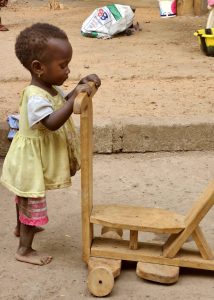
With consistent treatment and supportive teaching, children begin to gain weight, regain their strength, and become active again.
What your support makes possible
Help Madina covers the cost of each child’s medication and therapeutic food and provides meals for the mothers and carers who remain by their side.
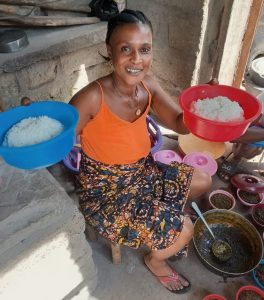
Your support helps provide severely malnourished children with urgent clinical care, therapeutic food and ongoing treatment — while giving young mothers and carers the reassurance, education and encouragement they need through a frightening time.
Donate here to help a child like this recover.