
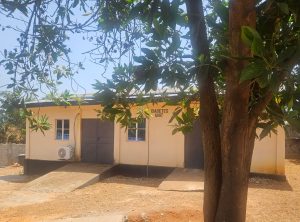
Diabetes Unit Holy Spirit Hospital
A PATIENT IS THE MOST IMPORTANT VISITOR IN OUR PREMISES. THEY ARE NOT AN INTERRUPTION TO OUR WORK. THEY ARE THE PURPOSE OF IT. THEY ARE NOT AN OUTSIDER TO OUR PROFESSION; THEY ARE PART OF IT. WE ARE NOT DOING THEM A FAVOUR. THEY ARE DOING US A FAVOUR BY GIVING US AN OPPORTUNITY TO DO SO.
How It Began
In 2008, while working in the town of Kambia, Veronica witnessed the death of a previously fit and healthy young man. He had developed type 1 diabetes and was in desperate need of insulin — but none was available. Tragically, he lapsed into a diabetic coma and he subsequently died. At the time, Veronica had a dog back in England receiving twice-daily insulin injections for his own diabetes. She could not believe that this young man had died simply because insulin was not available, when her dog had reliable access to the same medicine.
That moment became the catalyst for setting up the first structured diabetes care facility in Sierra Leone.
Why This Matters
Diabetes is a global concern — the World Health Organisation has described it as an evolving catastrophe. Cases of type 2 diabetes are rising dramatically across sub-Saharan Africa, and the complications of the disease cause enormous human suffering and premature death.
The two main types of diabetes present very different challenges.
Type 2 diabetes typically develops in adulthood and can usually be managed well with education about lifestyle, diet, and exercise, alongside oral medication.
Type 1 diabetes is different: it generally affects young people, cannot be prevented, and means the body can no longer produce insulin at all. Without insulin, death is inevitable — and it is needed urgently, and every day, for life.
Our Clinic at Holy Spirit Hospital
Help Madina launched Sierra Leone’s first structured diabetes clinic in 2013, at the Holy Spirit Hospital (HSH) in Makeni. The clinic is led by Mrs Ann-Marie Koroma, under the supervision of Dr Patrick Turay, the hospital’s Medical Director and co-ordinated by our projects manager Mr Kelia Conteh.
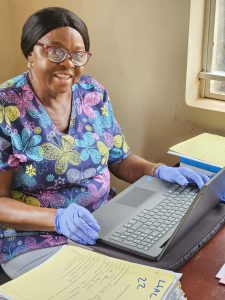
New cases are detected every week, and the clinic now has over 1,000 diabetes patients registered. There is huge stigma associated with diabetes in the local community, and real ignorance too — many still believing it is caused by witchcraft.
In response, the diabetes community itself has set up a patient-led group to raise awareness of the symptoms and signs of diabetes and to advocate for better diabetes services across the country. Advocacy is supported by T1International
Managing Type 2 Diabetes
Most of our patients have type 2 diabetes, which can usually be managed effectively through lifestyle changes and oral medication, taken under supervision. Oral medication for our type 2 patients is generously provided by Direct Relief.
Type 1 Diabetes: A Race Against Time
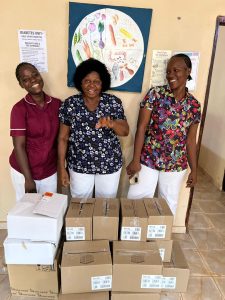
Type 1 diabetes requires a different response entirely. Insulin has been available since 1922 and is classified by the WHO as an essential medicine — yet Sierra Leone has no reliable supplies of insulin. Without outside support, the estimated life expectancy for a person diagnosed with type 1 diabetes here is less than a year.
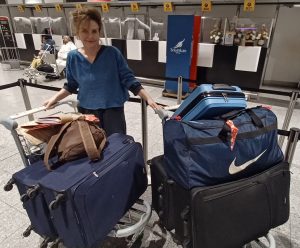
Veronica would travel every year to Sierra Leone with suitcases full of insulin – but this was not a sustainable option in the long term.
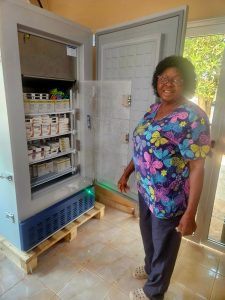
We are indebted to two incredible organisations, Life for a Child and Insulin for Life, who now provide the insulin our patients need, completely free of charge. Patients also receive glucose testing strips and meters to monitor their blood sugar safely. It’s wonderful to see our young patients not just surviving but attending school and flourishing. This would not be possible without the generous support we receive.
The Challenges We Still Face
Despite now having insulin, oral medication, and other essential supplies at HSH, real challenges remain. Insulin is still out of reach for most people with diabetes in Sierra Leone — most government hospitals have no access to glucose monitoring, let alone insulin or oral medication.
Many of our patients therefore travel long distances to reach our clinic but some simply cannot afford the cost of transport. When that happens, their health deteriorates, complications advance, and lives are lost. Help Madina runs a hardship fund to help our most vulnerable patients cover the cost of food and travel.
Training is another major gap: healthcare worker education in Sierra Leone has historically focused on infectious disease, leaving diabetes and other non-communicable diseases under-resourced.
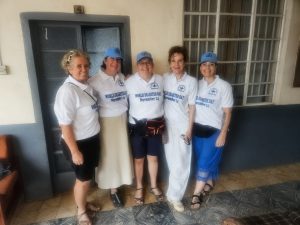
Thanks to grant funding, a UK diabetes team has been travelling to Sierra Leone every year to provide diabetes education for patients, families, and healthcare workers, including student nurses.
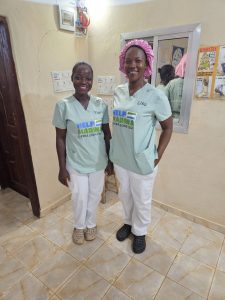
We are proud that two nurses trained through this work, Emma Tarrawalie and Augusta Dimoh, are now part of the team.
Stigma remains a real barrier too. Many people still associate diabetes with witchcraft and turn to traditional or spiritual healers — sometimes with devastating consequences. Help Madina and our diabetes team are working hard, and carefully, to address this in a way that respects local culture.
World Diabetes Day and Reaching Remote Communities
Every year on 14 November, we mark World Diabetes Day, working to raise awareness and reduce stigma in local communities, and screening for diabetes among people who don’t know they have it.
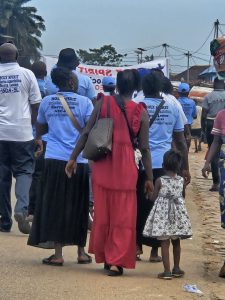
More recently, Help Madina has also been able to set up diabetes outreach clinics, reaching people in remote communities who cannot travel to HSH in Makeni. If a patient cannot come to us, we go to them — offering screening, health education, and treatment where appropriate. Thanks to generous donors, we’ve been able to purchase a 4×4 vehicle to make these journeys possible.
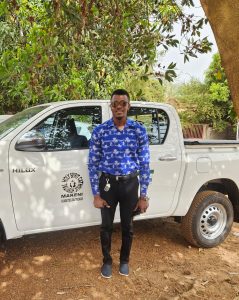
We are extremely grateful for all the support we have received. Want to support this work? Donate here.